
Rebuilding Libraries, Restoring Access: Joburg’s Unfinished Work
Libraries Matter—So Why Are So Many Still Closed?
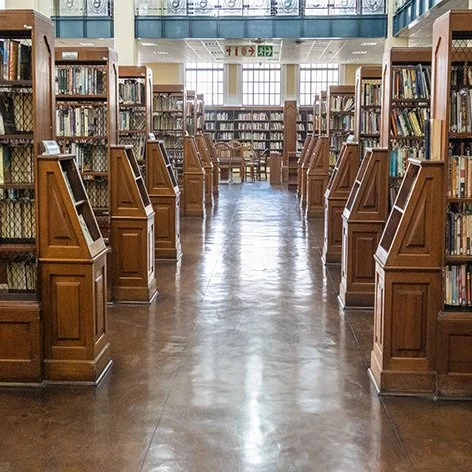
As South Africa marks South African National Libraries Week, the reopening of the Johannesburg City Library has been widely welcomed as a long-overdue restoration of a vital public resource. After nearly five years of closure, its return signals progress—but it also exposes a deeper and more troubling reality: access to libraries across the city remains profoundly unequal. For many residents, particularly in working-class and historically underserved communities, libraries are still out of reach.
More Than Buildings: The Ongoing Struggle for Library Access
As South Africa marked National Libraries Week (17–23 March), the reopening of the Johannesburg City Library was rightly celebrated as a long-overdue victory. After nearly five years of closure, its doors are once again open to students, researchers, and residents who depend on it. But behind this milestone lies a deeper and more uncomfortable truth: access to libraries in Johannesburg remains unequal.
For many communities, especially in working-class and historically underserved areas, the reality has not changed. Libraries in places like Soweto, Ennerdale, Brixton, Jeppestown and Robertsham remain closed or only partially functional. This means that thousands of residents are still cut off from essential resources—quiet study spaces, books, and reliable internet access.
Libraries are often treated as optional extras in city planning, but they are anything but. They are vital public spaces that support education, job-seeking, and civic participation. For residents without access to stable connectivity or safe environments at home, libraries are a lifeline. When they are closed or inaccessible, inequality deepens.
Even where libraries are open, access is limited. Many facilities are closed over weekends and after working hours—the very times when students and working people need them most. The continued closure of libraries on Saturdays, in particular, reflects a system that is not designed around the needs of residents.
The state of Johannesburg’s libraries mirrors broader governance challenges: poor maintenance, slow infrastructure delivery, and weak accountability. While the reopening of the central library shows what is possible, it also highlights how much more needs to be done.
Rebuilding Johannesburg’s library system is not just about fixing buildings—it’s about restoring access, dignity, and opportunity. If the city is serious about equality, then libraries must be prioritised, fully reopened, and made accessible to all.